Learn
Best Plant Protein Powder for a Sensitive Stomach in India (2026)

If a protein shake has ever left you bloated, gassy or running to the bathroom, you probably concluded that protein powder "doesn't suit you". In most cases that isn't quite right. The protein itself is rarely the problem. What usually upsets a sensitive stomach is what comes with the protein: lactose, certain sweeteners, added fibres, or simply too much powder too fast.
That's good news, because it means you can usually fix it by choosing a different product rather than giving up on protein altogether. This guide explains what to look for in a plant protein powder if your stomach is sensitive, what to avoid, and how to start without upsetting it.
Quick Answer: What Is the Best Plant Protein Powder for a Sensitive Stomach?
For most people with a sensitive stomach in India, the best option is a pea protein isolate + brown rice protein blend that is dairy-free, has no artificial sweeteners or sugar alcohols, has no added inulin or chicory root, and has a short ingredient list. If your stomach is very sensitive, start with an unflavoured, unsweetened version, in a half serving, before moving to flavours or a full scoop.
Why Protein Powder Upsets Some Stomachs
When people react to a protein shake, it's usually one of these five things. We go deeper on each in Why Does Protein Powder Cause Bloating?
1. Lactose
Whey protein comes from milk. Whey concentrate in particular still carries lactose, and a large share of Indian adults digest lactose poorly. For them, a daily whey shake is a daily dose of the exact sugar their gut struggles with. This alone explains a lot of "protein bloating". More in Best Protein Powder for Lactose Intolerant Indians.
2. Sugar alcohols
Sorbitol, maltitol, xylitol and mannitol are used to sweeten "sugar-free" products. They aren't fully absorbed in the small intestine, so they draw water into the gut and get fermented by gut bacteria further down. In sensitive people that means gas, cramps and loose stools. Some stevia blends also contain erythritol, which many people tolerate better but some don't, so read the full sweetener line, not just the word "stevia".
3. Added fibres like inulin and chicory root
Inulin (often listed as chicory root fibre or FOS) is added to boost fibre or "gut health" claims. It is highly fermentable, and it's one of the ingredients most commonly flagged by dietitians for people with IBS-type symptoms. A protein powder doesn't need it.
4. Artificial sweeteners
Sucralose, acesulfame-K and aspartame are cheap ways to mask the taste of protein. Responses vary from person to person, but many people who feel unwell after shakes find the problem disappears when they switch to a product without them. See 5 Red Flags in Your Protein Powder.
5. The wrong protein form, or too much at once
Not all plant proteins are equal for digestion. Whole-legume flours and protein concentrates keep more of the original bean's carbohydrates, including fermentable ones. Protein isolates are more refined, so they carry far less. And regardless of type, going from zero to a full scoop overnight, gulped fast on an empty stomach, can be too much for a gut that isn't used to it.
Plant Protein Types, Ranked for a Sensitive Stomach
| Protein type | Usually gentle? | Why |
|---|---|---|
| Brown rice protein (isolate) | Yes | Very little fermentable carbohydrate left; rarely linked to gut symptoms |
| Pea protein isolate | Yes, for most people | Refined to remove most of the pea's fermentable carbs; generally tested as low-FODMAP at a typical serving |
| Pea + rice blend (both isolates) | Yes, for most people | Gentle sources, and together they form a complete protein |
| Soy protein isolate | Often | Gentler than whole soy, but some people prefer to avoid soy |
| Pea protein concentrate or multi-legume blends | Less reliable | More of the bean's fermentable carbs (GOS) remain |
| Whey concentrate (for comparison) | Often not | Contains lactose |
Why does a pea + rice blend come out on top? Because each source is gentle on its own, and together they fix each other's amino acid gaps. Pea is low in methionine; rice is low in lysine. Blended, you get a complete protein without needing whey. The full explanation is in Why Brown Rice Protein Is Paired With Pea Protein.
The Sensitive-Stomach Label Checklist
Turn the pack around and check these six things before you buy. If you're new to reading labels, start with How to Read a Protein Powder Label.
- Dairy-free: no whey, casein, milk solids or skimmed milk powder.
- Isolates, not concentrates: look for "pea protein isolate" and "rice protein isolate" by name.
- No sugar alcohols: no sorbitol, maltitol, xylitol or mannitol. Check whether erythritol is present if you know it bothers you.
- No inulin, chicory root or FOS.
- No artificial sweeteners: no sucralose, acesulfame-K or aspartame.
- Short ingredient list: roughly 10 ingredients or fewer, so you can tell what's in it and spot what's bothering you.
One more thing worth checking: independent testing. A product can pass every check above and still be under-dosed or contaminated. Look for third-party certification of protein content and heavy metals. More on why that matters in Best Plant Protein Powder in India: A 7-Point Scorecard.
How to Start Protein Powder Without Upsetting Your Stomach
- Start with half a scoop for the first week, then move to a full serving if you feel fine.
- Start unflavoured. Fewer ingredients means fewer possible triggers. If it suits you, you can add flavours later and you'll know exactly what changed.
- Mix it well and sip it. Gulping a thick shake quickly on an empty stomach can bring on bloating by itself. Taking it with or after a meal helps many people.
- Change one thing at a time. If you switch protein, milk, and add a banana on the same day, you won't know which one caused a problem.
- Try sachets before a 1kg pack. Single servings let you test your tolerance without committing. See Sachets vs Jars.
- Watch what you mix it with. If you blend plant protein into regular milk, lactose is back in your shake. Water, plant milk, or curd-based smoothies (if curd suits you) are safer bets.
When It Isn't the Protein Powder
If you have ongoing bloating, pain, diarrhoea or constipation even without protein shakes, or if symptoms don't settle after switching to a clean, dairy-free product, the powder probably isn't the main issue. Conditions like IBS, food intolerances and other digestive problems need a proper diagnosis. Please speak to a doctor or a registered dietitian rather than self-experimenting further. This guide is general information, not medical advice.
How Pod Nutrition's Plant Protein Fits This Checklist
We'd rather show you the ingredient list than tell you it's gentle. Here's how Pod's plant protein measures up against the checks above:
- Protein source: Pea protein isolate + brown rice protein isolate. Both isolates, no concentrates, no other legumes.
- Dairy: None. No whey, no milk solids.
- Sweeteners (flavoured range): Stevia and monk fruit only. No sucralose, no acesulfame-K, no sugar alcohols. Why we use both is explained in Stevia & Monk Fruit: Why Pod Uses Both.
- No inulin or chicory root.
- Sugar: 0g added sugar.
- Protein: 26g per serving.
- Testing: Pink Tiger Certified, independently blind-tested for protein accuracy, amino spiking, heavy metals and aflatoxins.
To be fully transparent: our flavoured powders also contain a small amount of guar gum for texture. Most people have no issue with it, but if you know gums bother you, start with the option below.
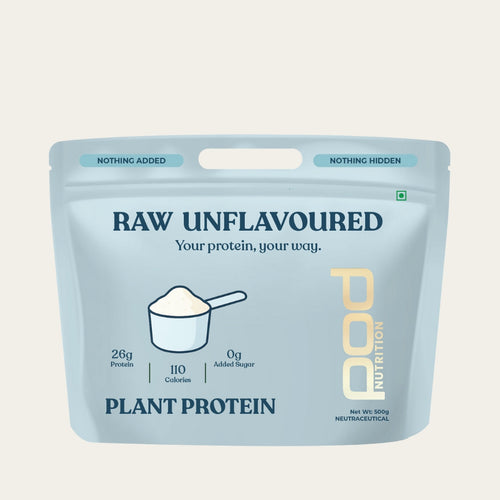
If your stomach is very sensitive, start here: Raw Unflavoured. Its ingredient list is just pea protein isolate, brown rice protein isolate, and an added digestive enzyme blend (protease, lipase, papain, bromelain and lactase). No sweetener, no gum, no flavouring. It mixes into water, smoothies, oats, atta or dosa batter. Ideas in 3 Ways to Use Unflavoured Protein.
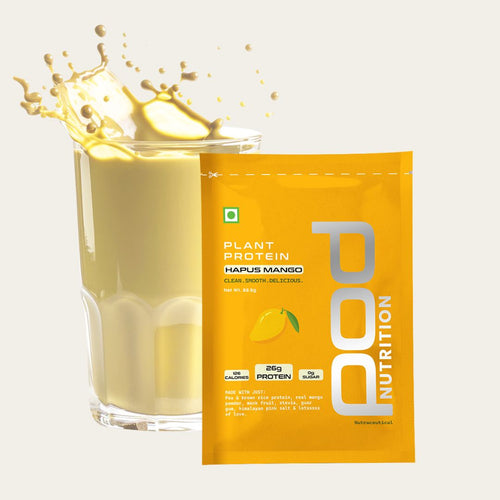
Once you know plant protein suits you, try a flavour: Chocolate Hazelnut, Café Mocha, Hapus Mango or Real Strawberry. Or test a few with single-serve sachets first.
FAQs
Which protein powder is easiest on the stomach?
For most people, a dairy-free pea + brown rice protein isolate blend with no sugar alcohols, no inulin and no artificial sweeteners is among the easiest to digest. An unflavoured, unsweetened version is the simplest place to start.
Is plant protein better than whey for a sensitive stomach?
Often, yes, mainly because plant protein has no lactose. Whey isolate has much less lactose than whey concentrate and suits some people, but if dairy is your trigger, a plant protein removes it entirely. Full plant vs whey comparison.
Does pea protein cause gas?
Pea protein isolate is usually well tolerated because most of the pea's fermentable carbohydrates are removed during processing. Gas after a pea protein shake is more often caused by sweeteners, added fibres, mixing with milk, or taking too much too quickly. Pea protein side effects explained.
Is plant protein good for people with IBS?
Many people with IBS tolerate pea protein isolate and rice protein well, but IBS triggers are individual. Avoid inulin, chicory root and sugar alcohols, start with a small serving, and work with a doctor or dietitian, especially if you're following a low-FODMAP plan.
Why do I feel bloated after every protein shake?
The most common reasons are lactose (from whey or from mixing with milk), sugar alcohols, inulin, artificial sweeteners, or too large a serving. Check your label against the checklist above. If symptoms continue with a clean product, speak to a doctor.
Can I take plant protein every day with a sensitive stomach?
Yes, if it suits you. Once you've built up to a full serving without symptoms, one serving a day is a sensible way for most people to close their protein gap. See how much protein Indians actually need, or start with the basics in our Plant Protein 101 guide.