Learn
Yeast Protein 101: The Complete Guide for Indian Buyers

Fermented yeast protein is still a new category in India, but it's used widely by nutritionists and athletes elsewhere in the world. Pod Nutrition is one of a small number of Indian brands offering it. This guide brings together everything published on the subject in one place.
Start Here: What is Yeast Protein?
Yeast protein is derived from fermented Saccharomyces cerevisiae — the same species used in bread and beer — and is a naturally complete protein with a PDCAAS of ~0.9–1.0, matching whey and egg white. Read the full guide: What is Yeast Protein?
Is It Actually a Complete Protein?
Yes — and this is worth understanding in detail if you're comparing protein sources seriously. Read: Is Yeast Protein a Complete Protein? Amino Acid Profile Explained, or go deeper on the scoring system itself in What is PDCAAS?
How Does It Compare to Other Proteins?
- vs Whey: Yeast Protein vs Whey Protein: The Full Comparison — same PDCAAS 1.0 quality
- vs Plant protein (pea + rice): Yeast Protein vs Plant Protein: Which is Better? — a detailed head-to-head with a comparison table
Want whey in the mix too? Compare all three protein types side by side.
A Note on Dairy and Lactose
Yeast protein isolate itself contains no dairy or lactose, and because it's fermented before extraction, it's naturally gentle on digestion — see why protein powder causes bloating for the mechanism behind this. But finished products can contain other ingredients. Pod's yeast protein shakes are blended with milk solids for a creamier texture, so they are not dairy-free or vegan. If you're lactose intolerant or avoid dairy, Pod's plant protein powder is the better choice.
How Yeast Protein is Made
The process starts with fermenting Saccharomyces cerevisiae yeast under controlled conditions. Once the yeast reaches peak protein content, the cell walls are broken down to release the protein, which is then filtered, dried and milled into a fine powder — arriving at your scoop already partially broken down by fermentation, which is a large part of why it's easy on the gut.
Where You'll Notice Yeast Protein's Mild, Savoury Note
Unlike whey or pea protein, yeast protein carries a subtle savoury base note. This works especially well in a format like protein masala chaas, and Pod also formulates it into dessert-style shakes (Tiramisu, Chocolate Peanut Butter) where the savoury note rounds out rather than competes with the flavour. Curious exactly what that tastes like day to day? See does yeast protein taste bad? What to actually expect.
Who Should Try Yeast Protein
- Vegetarians wanting whey-equivalent protein quality without whey
- Anyone who gets bloated on their current protein powder and digests milk well
- Anyone building a fat-loss routine who wants a complete protein — see Yeast Protein for Weight Loss: What to Actually Expect
- Anyone curious about a genuinely differentiated, still-underused protein source in India
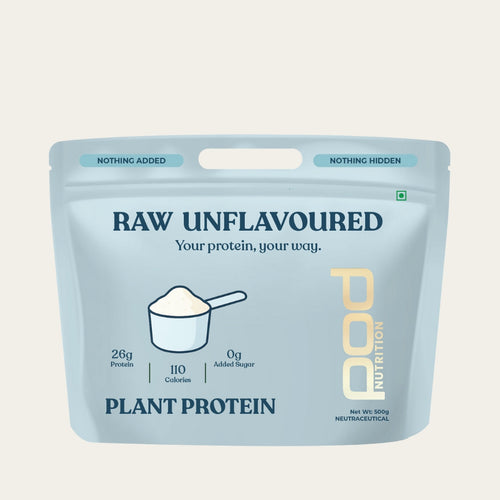
Lactose intolerant, dairy-sensitive or vegan? Choose Pod's plant protein, which is fully dairy-free.
The Bottom Line
Fermented yeast protein matches whey on quality, beats most plant proteins on completeness from a single protein source, and is one of the most gut-friendly protein sources available. It's an early-stage category in India today — which also means less noise and more genuine differentiation than the crowded whey and plant protein aisles.
Buying it as a gift instead of for yourself? See the Diwali protein gift guide, including a ready-made yeast protein Diwali hamper option.