Learn
Is Protein Powder Bad for Your Kidneys? Side Effects Explained Honestly

"Protein powder will damage your kidneys" is one of the most common things Indians hear from family, friends and even some doctors. It's also one of the main reasons people who could benefit from more protein avoid it entirely.
We make protein powder, so you should read this knowing that. We've tried to give you the evidence as it stands, including the parts that don't help us sell anything.
Quick Answer
For healthy adults with normal kidney function, research does not show that eating more protein, including from protein powder, damages the kidneys. The picture is different if you already have chronic kidney disease (CKD) or are at high risk of it: then protein intake should be set by your doctor. And with protein powder specifically, product quality matters as much as protein itself, because contamination is a real problem in the Indian market.
Where the Kidney Worry Comes From
When you eat protein, your body breaks it down, and the kidneys filter out the waste (mainly urea). Eating more protein makes the kidneys filter more. That increased workload sounds alarming, and for people whose kidneys are already damaged, it genuinely can be a problem. That's why doctors put many CKD patients on controlled-protein diets.
The leap people make is assuming that what's true for damaged kidneys must also be true for healthy ones.
What the Research Says for Healthy People
A 2018 meta-analysis in The Journal of Nutrition, led by researchers at McMaster University, pooled 28 studies with more than 1,300 participants who were healthy or had obesity, type 2 diabetes or high blood pressure. It found that higher protein intake did not harm kidney function in these groups. Filtration rate went up slightly with more protein, which the researchers saw as a normal adaptation rather than damage.
Two important limits: none of the participants had diagnosed kidney disease, so the findings don't apply to people who do. And most studies ran for months rather than decades.
Who Should Be Careful
- People with chronic kidney disease, at any stage. Don't add protein powder without your nephrologist's approval.
- People with long-standing diabetes or high blood pressure, the two biggest causes of kidney disease in India. Ask your doctor to check your kidney function (creatinine/eGFR and urine albumin) before significantly raising protein. See Protein Powder for Diabetics.
- Anyone with a history of kidney stones, who should discuss total protein and fluid intake with their doctor.
- Anyone on regular medication or under medical treatment, who should check with their doctor first.
What ICMR-NIN Says About Protein Supplements
India's 2024 dietary guidelines from ICMR-NIN advise against protein supplements for healthy people, on the basis that a balanced diet can meet protein needs. They recommend about 0.83 g of protein per kg of body weight per day for adults.
We think that's the right default. Food first. Protein powder makes sense as a convenience when your diet genuinely falls short of that target, which is common on cereal-heavy vegetarian diets. It isn't a necessity, and it isn't a reason to go far beyond your daily need. See How Much Protein Do Indians Actually Need? and High-Protein Indian Foods.
The Bigger Real Risk: What's Actually in the Tub
For healthy people, the protein itself is rarely the issue. Product quality is. A 2024 study published in the journal Medicine tested 36 protein supplements sold in India and found about 70% had less protein than claimed, and roughly 14% contained aflatoxins.
Contaminants like heavy metals and toxins are a genuine health concern, kidneys included, which is why independent testing matters more than any marketing claim. How to check: look for third-party certification of protein content, heavy metals and aflatoxins, not just an in-house "lab tested" line. More in 5 Red Flags in Your Protein Powder.
Protein Powder Side Effects That Are Actually Common
Kidney damage in healthy people isn't supported by the evidence. These, on the other hand, are side effects people really experience:
- Bloating, gas and loose stools. Usually from lactose in whey, sugar alcohols, inulin or artificial sweeteners rather than protein itself. See Best Plant Protein for a Sensitive Stomach and Why Protein Powder Causes Bloating.
- Acne in some people, most often linked to dairy-based whey.
- Unwanted weight gain, from sugary protein products or mass gainers, not from clean protein at normal servings.
- Feeling thirsty. Higher protein intake increases water needs a little. Drink enough water through the day.
- Displacing real food. Using shakes to replace meals can mean missing out on fibre and micronutrients.
Considering a specific type? See pea protein side effects and yeast protein side effects.
How to Use Protein Powder Safely
- Check your kidney health first if you have diabetes, high blood pressure, a family history of kidney disease, or are over 50.
- Stick to one serving a day unless a doctor or dietitian has advised more.
- Count it as part of your daily protein, not on top of an already high intake.
- Drink enough water.
- Buy only independently tested products with a short, readable ingredient list.
How Pod Nutrition Approaches This
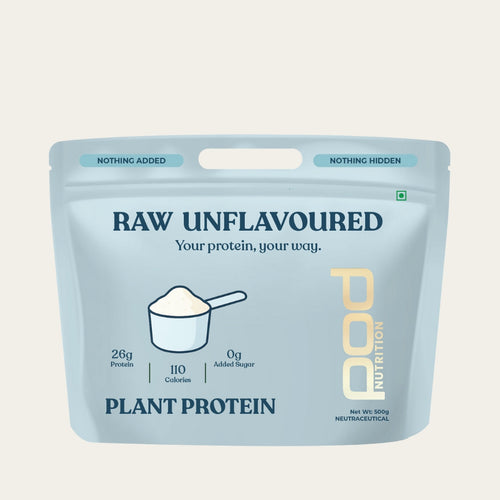
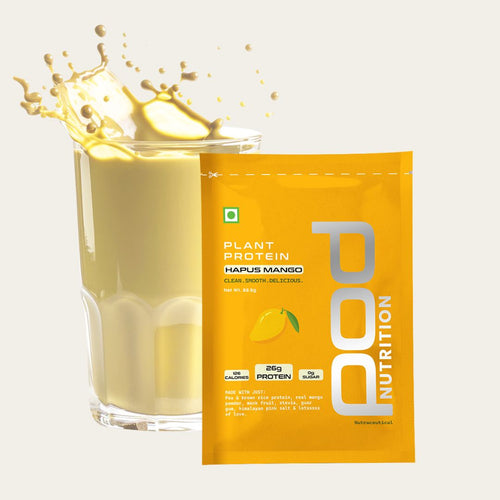
Our plant protein is a pea + brown rice protein isolate blend with 26 g of protein per serving. It's Pink Tiger Certified: independently blind-tested for protein accuracy, amino spiking, heavy metals and aflatoxins. We recommend one serving a day as a supplement to a balanced diet, not a replacement for it. If you have a kidney condition, please speak to your doctor before using any protein supplement, including ours.
FAQs
Does protein powder damage kidneys in healthy people?
Current research does not show kidney damage from higher protein intake in people with healthy kidneys. People with existing kidney disease are a different case and should follow their doctor's advice.
How much protein powder per day is safe?
For most healthy adults, one serving (around 25 g of protein) a day, counted within your total daily protein, is a sensible amount. ICMR-NIN recommends about 0.83 g of protein per kg of body weight per day from all sources.
Can protein powder cause kidney stones?
Very high protein intake, especially with low water intake, may raise risk in people prone to stones. If you've had kidney stones, ask your doctor about your protein and fluid targets.
Is plant protein safer for kidneys than whey?
For healthy kidneys, there's no strong evidence that one is safer than the other at normal servings. Some research suggests plant protein sources may be gentler for people with kidney disease, but anyone with CKD should only change their diet under medical supervision.
Does ICMR say not to take protein powder?
ICMR-NIN's 2024 guidelines advise against protein supplements for healthy people, recommending food as the main source of protein. Protein powder is best treated as a convenience for when your diet falls short, not a necessity.
This article is general information, not medical advice. If you have a medical condition, please consult your doctor.